Pet Dental Care: Importance of Oral Hygiene for Your Pet's Health

Maintaining proper oral hygiene is crucial for the overall health and well-being of our pets. Just like humans, pets can suffer from a range of dental issues if their oral health is neglected. From gum disease to tooth decay, dental problems can have a significant impact on their quality of life.
One of the key reasons why oral health is so important for pets is because dental issues can lead to pain and discomfort. Untreated dental problems can cause pets to experience pain while eating, difficulty in chewing their food, and even behavioral changes. Moreover, poor oral hygiene can lead to infections that can spread to other parts of the body, affecting the heart, liver, and kidneys.
Regular dental care for pets can help prevent these problems. It includes brushing their teeth regularly, providing dental treats or chews, and scheduling routine dental check-ups with a veterinarian. Additionally, maintaining a healthy diet and avoiding sugary or sticky treats can contribute to better oral health.
By prioritizing their oral health, pet owners can help prevent dental issues, improve their pet’s overall health, and enhance their quality of life. It is essential to establish good oral hygiene habits from a young age and continue them throughout the pet’s life. Remember, a healthy mouth equals a happy and healthy pet.

Importance of Regular Dental Check-ups
Regular dental check-ups for pets are essential for maintaining their oral health and preventing dental issues.
While daily brushing and oral care at home are important, professional dental examinations by a veterinarian provide a more thorough assessment of their dental condition.
During a dental check-up, a veterinarian can perform a comprehensive examination of your pet’s teeth, gums, and oral cavity.
They can identify any signs of dental disease, such as tartar buildup, gum inflammation, or tooth decay.
Early detection of these issues is crucial because dental problems can progress quickly and lead to more severe health issues if left untreated.
Regular dental check-ups also allow for professional teeth cleaning, which is performed under anesthesia.
This process involves scaling the teeth to remove plaque and tartar, followed by polishing to smoothen the tooth surfaces. These procedures not only help maintain oral hygiene but also prevent the progression of dental disease.
Moreover, during a dental check-up, the veterinarian can address any concerns or questions you may have about your pet’s oral health.
They can provide guidance on proper oral care techniques, recommend dental products suitable for your pet, and offer advice on diet and nutrition for optimal dental health.

Signs of Dental Problems in Pets
Dental problems can affect pets of all ages and breeds, and it’s important for pet owners to be aware of the signs that may indicate oral health issues.
By recognizing these signs early on, you can seek veterinary care and address the problem before it worsens. Here are some common signs of dental problems in pets:
Bad breath: Persistent bad breath, often described as foul or fishy odor, can indicate dental issues such as periodontal disease or tooth decay.
Difficulty eating or chewing: If your pet is experiencing pain or discomfort while eating or shows a reluctance to chew on toys or treats, it may be a sign of dental problems.
Excessive drooling: Excessive drooling or saliva production can be a sign of oral discomfort or gum disease.
Bleeding or inflamed gums: Red, swollen, or bleeding gums are indications of gum disease, which can progress to more severe dental issues if left untreated.
Discolored teeth: Yellow or brown discoloration on the teeth may suggest tartar buildup or tooth decay.
Pawing at the mouth: If your pet frequently paws at their mouth or face, it may be a sign of dental pain or discomfort.
Loose or missing teeth: Loose or missing teeth can be a result of advanced dental disease or trauma.

Steps for Conducting a Dental Examination at Home
Regular dental examinations are crucial for maintaining your pet’s oral health. While it’s essential to have your pet’s teeth professionally examined by a veterinarian, you can also perform a basic dental examination at home to monitor their oral hygiene.
Here are the steps for conducting a dental examination at home:
Create a calm and comfortable environment: Find a quiet area where your pet feels relaxed and secure. Ensure good lighting to see inside their mouth clearly.
Gently lift their lips: Use your fingers to lift your pet’s lips and expose their teeth and gums. Be patient and gentle to avoid causing any discomfort or fear.
Observe the condition of the teeth: Look for any signs of plaque buildup, tartar, discoloration, or damaged teeth. Pay attention to any loose or missing teeth as well.
Check the gums: Examine the color and appearance of the gums. Healthy gums should be pink and free of inflammation, swelling, or bleeding.
Assess the breath odor: Take note of any unusual or foul odor coming from your pet’s mouth. Persistent bad breath can be a sign of dental problems.
Monitor chewing habits: Observe how your pet chews their food and toys. Difficulty chewing or a preference for one side of the mouth may indicate dental issues.
Record your findings: Keep a record of any observations or changes you notice during the dental examination. This information will be helpful when discussing your pet’s oral health with your veterinarian.
Oral Health Assessment and Routine Examination
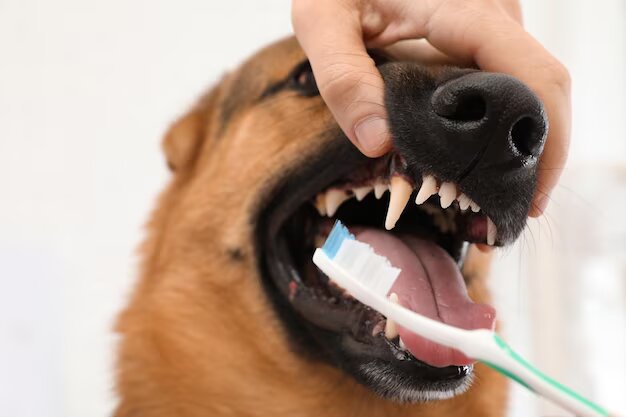
Regular oral health assessments and routine examinations are essential for maintaining your pet’s dental health. These examinations help identify potential dental issues early on, allowing for timely intervention and treatment. Here are the key steps involved in an oral health assessment and routine examination:
Visual inspection: Start by examining your pet’s mouth visually. Lift their lips and check for any visible signs of dental problems such as tartar buildup, inflamed gums, or broken teeth.
Breath odor assessment: Pay attention to your pet’s breath odor. Persistent bad breath can be a sign of dental issues like gum disease or tooth decay.
Gum inspection: Observe the color and condition of your pet’s gums. Healthy gums should appear pink and firm. Any redness, swelling, or bleeding may indicate gum disease.
Teeth examination: Take a closer look at your pet’s teeth. Check for any signs of discoloration, chipped or fractured teeth, or loose teeth. These could be indications of dental problems that require veterinary attention.
Pain assessment: Gently touch various areas of your pet’s mouth and observe their reaction. If your pet shows signs of discomfort, such as flinching or pulling away, it may suggest oral pain.
Record keeping: Keep a record of your findings, noting any changes or concerns. This will help you monitor your pet’s oral health over time and provide valuable information to your veterinarian during check-ups.
It’s important to note that while these assessments can be done at home, they should complement regular professional dental care provided by a veterinarian. Your veterinarian can conduct a comprehensive examination, including dental cleanings, X-rays, and treatment for any dental issues. By combining home assessments with veterinary care, you can ensure the best oral health for your pet.
Steps for Conducting a Dental Examination at Home

Regular dental examinations at home can help you monitor your pet’s oral health and detect potential dental problems early. Here are the steps for conducting a dental examination at home:
Find a quiet and comfortable space: Choose a calm and quiet area where you and your pet can feel relaxed during the examination.
Get your pet accustomed to oral touch: Gradually introduce your pet to the sensation of having their mouth touched. Start by gently stroking their muzzle and gradually progress to lifting their lips and touching their teeth and gums.
Inspect the teeth and gums: Lift your pet’s lips and examine their teeth and gums. Look for signs of tartar buildup, discoloration, broken or loose teeth, redness, swelling, or bleeding gums. Note any abnormalities or concerns.
Check breath odor: Pay attention to your pet’s breath odor. Persistent bad breath could indicate dental issues such as gum disease or tooth decay.
Monitor chewing behavior: Observe your pet’s chewing habits. Difficulty in chewing, dropping food, or favoring one side of the mouth while eating may suggest dental problems.
Maintain a dental care routine: Regularly brush your pet’s teeth using a pet-specific toothbrush and toothpaste recommended by your veterinarian. This helps prevent plaque and tartar buildup and maintains oral hygiene
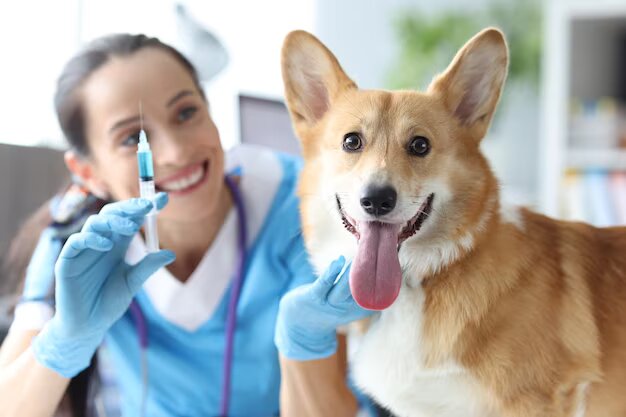
It’s important to remember that a home dental examination should not replace professional veterinary dental care. Regular check-ups and cleanings by a veterinarian are necessary to ensure a thorough assessment and treatment of your pet’s dental health. If you notice any concerning signs during the home examination, consult your veterinarian for further guidance and advice.
roper dental care for pets goes beyond just maintaining a healthy smile. It plays a crucial role in their overall well-being and can have long-term benefits for their health. Here are some of the long-term benefits of proper pet dental care:
Preventing dental diseases: Regular dental care, including brushing and professional cleanings, helps prevent dental diseases such as periodontal disease, tooth decay, and gum infections. These conditions can cause pain, discomfort, and even tooth loss if left untreated.
Promoting good overall health: Dental problems in pets can have a direct impact on their overall health. Bacteria from dental infections can enter the bloodstream and affect vital organs such as the heart, liver, and kidneys. By maintaining good dental hygiene, you can reduce the risk of these systemic health issues.
Extending lifespan: Dental diseases can shorten a pet’s lifespan if not properly addressed. By taking care of your pet’s teeth and gums, you can help ensure their longevity and quality of life.
Improving eating habits: Dental problems can make it painful for pets to chew their food properly, leading to decreased appetite and potential malnutrition. By maintaining good dental health, pets can enjoy eating without discomfort, leading to better nutrition and overall health.
Enhancing overall well-being: Pets with healthy teeth and gums are generally happier and more comfortable. They can enjoy their daily activities, such as playing, chewing toys, and interacting with their owners, without dental pain or discomfort.
Proper pet dental care involves regular home dental care, routine dental examinations, and professional cleanings by a veterinarian. By prioritizing your pet’s dental health, you can help ensure their overall health, happiness, and longevity.